
Antibacterial Efficacy Evaluation Tests
Products with antibacterial properties provide hygienic protection for human health, and today antibacterial materials have been widely used in various fields.
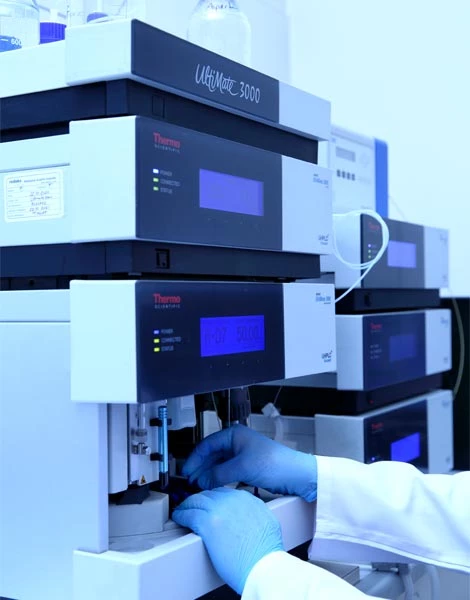
Our laboratory performs the analysis of antibacterial products such as glass, leather, plastic and textile with TÜRKAK Accreditation and offers solution partnerships to manufacturers for product development.
Determination of Antibacterial Activity Analyses
AATCC 100
JIS L 1902
TS ISO 20743
ISO 22196
JIS 2801
AATCC 147
ASTM E2149
Determination of Anti-Fungal Activity Analyses
AATCC 30
Frequently Asked Questions
-
What Is an Antibacterial Efficacy Test?
An antibacterial efficacy test is a laboratory analysis used to determine whether products are effective against bacteria and microorganisms. These tests verify the safety and effectiveness of hygiene and biocidal products.
-
Why Are These Tests Important?
These tests prevent ineffective or harmful products from entering the market. Documenting the safety and effectiveness of antibacterial products protects consumer health and ensures regulatory compliance.
-
Which Products Are Subject to Antibacterial Testing?
Disinfectants, cleaning products, antibacterial soaps, cosmetic products, and biocidal products are subject to antibacterial efficacy testing.
-
What Parameters Are Measured in These Tests?
Key parameters include bacterial growth inhibition, minimum inhibitory concentration (MIC), duration of product effectiveness, and toxicity assessments. These tests determine overall product performance.
-
What Are the Analysis Methods?
Standard laboratory techniques such as the disk diffusion test, suspension (shake flask) method, time-kill assay, and microplate methods are used. Compliance with ISO and EN standards is essential.
-
Why Are These Tests Important for Human Health?
Ineffective products may fail to prevent bacterial growth and increase health risks. Testing ensures that consumers use safe and effective products.
-
What Is Minimum Inhibitory Concentration (MIC)?
MIC is the lowest concentration of a product required to inhibit bacterial growth. This value determines the product’s effectiveness and safe usage level.
-
How Long Do the Tests Take?
Basic antibacterial efficacy tests typically take 2–5 days. Comprehensive analyses involving multiple bacteria and methods may take 1–2 weeks.
-
How Are Test Results Used by Manufacturers?
Results guide product development, quality control, and regulatory compliance. They also serve as official evidence in marketing and certification processes.
-
Is Testing Mandatory for Imported Products?
Yes, the antibacterial efficacy of imported biocidal and hygiene products must be documented through accredited laboratory reports. This is required for legal and regulatory compliance.
-
How Are Test Prices Determined?
Prices depend on the number of samples, testing method, and scope. Comprehensive analyses may be more costly, but they are critical for product safety and regulatory compliance.
-
What Is the Disk Diffusion Method?
The disk diffusion method measures a product’s ability to inhibit bacterial growth. It is applied in a standardized laboratory setting and provides rapid results.
-
What Is the Time-Kill Test?
The time-kill test determines a product’s bactericidal activity over a specified period. It verifies that the product remains safe and effective during use.
-
What Are the Advantages of Accredited Laboratories?
Laboratories accredited under ISO/IEC 17025 provide reliable and officially recognized results. Their reports are accepted in export and certification processes.
-
How Do Antibacterial Tests Affect Product Quality?
These tests confirm that the product delivers the efficacy stated on its label. This is critical for consumer trust, brand reputation, and regulatory compliance.
Get in touch now
Contact our expert team for your R&D studies and testing needs, let's bring your projects to life together.