
Active Ingredient Tests
Chlorine has been used for many years in the world in the form of different chemical compounds for water disinfection. Active chlorine is one of them.
Frequently Asked Questions
-
Active Ingredient Tests
Chlorine has been used for many years in the world in the form of different chemical compounds for water disinfection. Active chlorine is one of them. Determination of Active Chlorine Chlorine has been used for many years in the world in the form of different chemical compounds for water disinfection. Active chlorine is one of them. The disinfecting effect of chlorine in water depends on four factors: The amount of Active Chlorine in the water> (in mg/lt); The pH level of the water, Contact time of free chlorine with microbes in water The temperature of the water Determination of active chlorine analysis is performed in Biocidal products in our laboratory.
-
Determination of Sodium Hypochlorite
Sodium hypochlorite is a salt. It is used in bleach as a whitener in daily life. It has also been approved by the U.S. Food and Drug Administration FDA as a clean disposable, high-level disinfectant agent. However, it has been observed that the uncontrolled use of Sodium Hypochlorite Substance causes serious disorders as a result of research. The World Health Organization (WHO) has limited the use of sodium hypochlorite by authorities such as the Food and Agriculture Organization (FAO). Determination of sodium hypochlorite analysis is performed in Biocidal products in our laboratory.
-
Determination of Iodine and Iodine compounds (Iodophors, Povidone-iodine)
Iodine and iodine compounds are used as disinfectants and antiseptics. Povidone-iodine (10%) was found to be the most effective antiseptic, which inhibits the growth of all bacteria most commonly used in patients. As a result of the studies, it has been determined that povidone-iodine (10%) is very effective in all dilutions of the bacteria, the effectiveness of which has been tested. It suppressed growth in all bacteria after 1 minute of exposure. The amount of use is limited by various authorities. Determination of iodine analysis is performed in biocidal and antiseptic products in our laboratory. Determination of Benzalkonium Chloride (C8-C10-C12-C14-C16-C18) and Didecyl Dimethyl Ammonium Chloride (C8-C10-C12): Benzalkonium chloride (Alkyldimethylbenzylammonium chloride), referred to by the trade name Zephiran, is a kind of cationic surfactant. Benzalkonium chloride is a quaternary ammonium compound with antiseptic and disinfectant properties, and is an organic salt. It is used as a skin antiseptic and general disinfectant. A 10% solution (or more) of Benzalkonium Chloride is toxic to humans, causing skin and mucous membrane irritation. Studies have proven that benzalkonium chloride has a genotoxic effect and causes allergic reactions. The use of 0.1% in biocidal products has an irritant effect on mucosal surfaces. Determination of benzalkonium chloride analysis is performed in biocidal products in our laboratory.
-
Determination of Formaldehyde
FA (CH2O), an important member of the aldehyde family, is obtained as a liquid from the oxidation of methanol. Due to its strong electrophilic property, FA is a highly reactive, flammable, colourless, pungent, irritating, low molecular weight toxic gas at room temperature. This chemical is used in the preservation of biological samples and mummification as it hardens the proteins and prevents them from rotting, and is also used as a disinfectant because it kills insects and many microorganisms. Determination of formaldehyde analysis is performed in biocidal products in our laboratory.
-
Determination of Glutaraldehyde
Glutaraldehyde was discovered in 1963 and was recognized as the most effective chemical against microorganisms. It is a fast-acting broad-spectrum sterilant and considered a high-level disinfectant. Kills fungi and vegetative bacteria in a few minutes. Glutaraldehyde, aldehyde-containing disinfectants are used especially in the disinfection of medical equipment used in hospitals. It is active in acidic and basic environments. Determination of glutaraldehyde analysis is performed in biocidal products in our laboratory.
-
Determination of Chlorhexidine Gluconate and Digluconate
Chlorhexidine is a disinfectant and antiseptic used for skin disinfection before surgery and sterilizing surgical instruments. It can be used to disinfect both patient's skin and healthcare providers' hands. It is effective against bacteria that its spectrum of action is gram-negative, anaerobes, fungi and some enveloped viruses. It is preferred in disinfectants due to its long duration of action. Determination of chlorhexidine analysis is performed in biocidal products in our laboratory. Determination of Alcohol (Ethyl alcohol, 2-propanol (isopropyl alcohol) Methyl alcohol): Alcohol: Ethyl alcohol or isopropyl alcohol is one of the most widely used antiseptics, especially in the form of 70% or 80% solution. Hand sanitizers often contain alcohol. It is highly effective against microorganisms such as viruses, bacteria and fungi. Determination of alcohol analysis is performed in biocidal products in our laboratory.
-
Determination of Hydrogen Peroxide
Hydrogen peroxide is environmentally friendly due to its decomposition into water and oxygen. Hydrogen peroxide shows a wide range of activity against viruses, bacteria, yeast and bacterial spores. Determination of hydrogen peroxide analysis is performed in biocidal products in our laboratory.
-
What is an Active Ingredient Test?
Active ingredient testing determines the quantity and purity of active components in pharmaceuticals, dietary supplements, cosmetics, and biocidal products. Tests ensure compliance with label claims.
-
Why Are Active Ingredient Tests Important?
The amount of active ingredient is critical for efficacy and safety. These tests are mandatory for quality control, regulatory compliance, and consumer safety.
-
Which Products Require Active Ingredient Testing?
Pharmaceuticals, vitamins, dietary supplements, cosmetics, biocidal products, and chemical treatment solutions are tested.
-
What Parameters Are Measured?
Active ingredient content, purity, stability, solubility, and potential by-products are analyzed to verify product efficacy and safety.
-
How is Active Ingredient Analysis Performed?
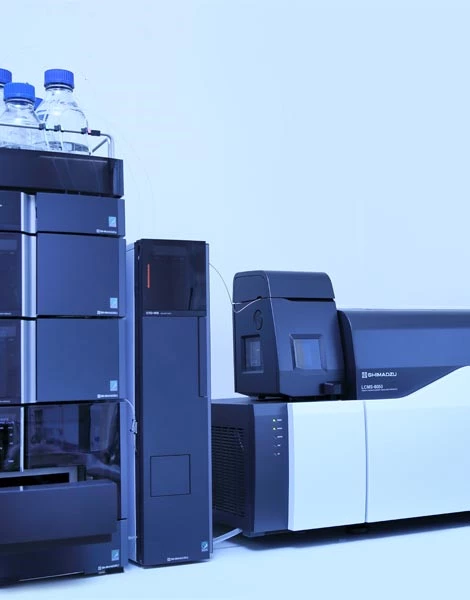
Samples are prepared, and analytical methods such as HPLC, GC-MS, and UV-VIS are used to measure active ingredient levels. Results are detailed in lab reports.
-
What is HPLC and Why Is It Used?
HPLC (High-Performance Liquid Chromatography) separates and precisely measures components. It is one of the most reliable methods for active ingredient testing.
-
Why Are Active Ingredient Tests Important for Health?
Incorrect active ingredient amounts can make products ineffective or toxic. Testing ensures consumer safety and product reliability.
-
How Long Do Tests Take?
Simple tests usually take 2–5 days. Comprehensive stability and component determinations may take 1–2 weeks, depending on sample type and method.
-
Are Tests Mandatory for Regulatory Compliance?
Yes, active ingredient testing is legally required for pharmaceuticals, supplements, and cosmetics. Accredited lab reports carry official validity.
-
What Are Stability Tests?
Stability tests verify that the active ingredient maintains efficacy and safety throughout the product’s shelf life. Loss of active ingredient reduces product effectiveness.
-
How Do Analysis Reports Help Companies?
Reports support quality control, provide official evidence for legal inspections, and guide product development and production improvements.
-
Are Active Ingredient Tests Required for Imported Products?
Yes, tests are required to verify active components in imported pharmaceuticals, supplements, and cosmetics. Accredited lab reports are accepted for customs and regulatory inspections.
-
What Determines Test Costs?
Costs depend on sample number, analytical method, test scope, and product type. Comprehensive tests may be more costly but are essential for quality and regulatory compliance.
-
How Do Active Ingredient Tests Affect Product Quality?
They confirm that products match label claims and maintain efficacy, ensuring consumer trust, brand reputation, and legal compliance.
-
Advantages of Accredited Laboratories
ISO/IEC 17025-accredited labs provide reliable, officially recognized results accepted in inspections. Test reports are used in export and certification processes.
Get in touch now
Contact our expert team for your R&D studies and testing needs, let's bring your projects to life together.