
Virucidal Efficacy Analyses
This method is adapted from the protocols of TS EN 14476+A2, EN 14476+A2 standards for testing chemical disinfectants and antiseptics against viruses and is tested quantitatively. The test result identifies different levels of virucidal activity.
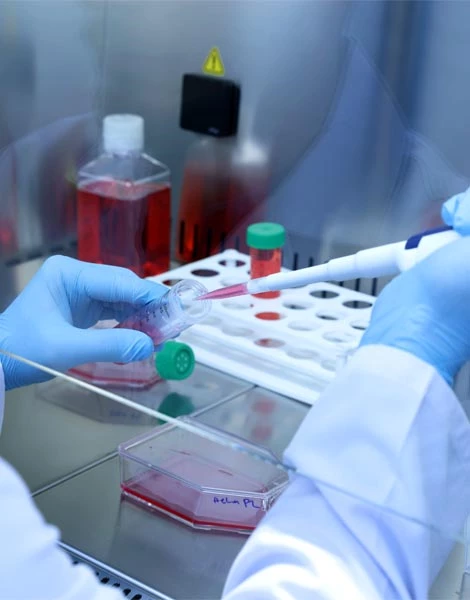
Hygienic hand lotion, hand washing products, antiseptics and disinfectants are used for disinfection of instruments, surfaces and textiles. It includes products to be used in clinical settings, public institutions, laundries, workplaces and homes.
Frequently Asked Questions
-
What Is Virucidal Efficacy Analysis?
Virucidal efficacy analysis refers to laboratory tests that measure the effectiveness of disinfectants, biocidal, and hygiene products against viruses. These tests verify whether a product is safe and effective.
-
Why Are These Tests Important?
Preventing the spread of viruses is critical for public health. These analyses ensure that products are neither ineffective nor harmful and guarantee compliance with legal regulations.
-
Which Products Are Subject to Virucidal Testing?
Disinfectants, biocidal products, cleaning and hygiene products, hand antiseptics, and surface disinfectants are subject to virucidal efficacy testing.
-
Which Parameters Are Measured in the Tests?
Parameters such as virus inactivation, minimum effective concentration, contact time, and toxicity are analyzed. These determine both product efficacy and safety.
-
What Are the Testing Methods?
In vitro viral tests are conducted using plaque assay, TCID₅₀, and in accordance with EN and ASTM standards. Compliance with ISO and GLP standards is essential.
-
Why Are These Tests Critical for Human Health?
Ineffective products cannot prevent viral spread and may increase health risks. These analyses ensure that consumers use safe and effective products.
-
What Is the Minimum Effective Concentration?
This indicates the lowest amount of active ingredient required to inactivate the virus. It is important for determining effective usage levels.
-
What Is a Contact Time Test?
It measures a product’s ability to inactivate a virus within a specified period. This test ensures the accuracy of usage instructions.
-
How Long Do the Analyses Take?
Simple virucidal tests typically take 3–7 days. Comprehensive analyses involving different viruses and methods may take 1–2 weeks.
-
Are These Tests Mandatory for Regulatory Compliance?
Yes. Virucidal efficacy testing is a legal requirement for biocidal and disinfectant products and must be documented with reports from accredited laboratories.
-
How Is Sample Preparation Conducted?
Samples are delivered to the laboratory under sterile and appropriate conditions. The sample quantity depends on the product form and test type.
-
What Is the Difference Between Disk Diffusion and Plaque Assay?
Plaque assay measures viral replication, whereas disk diffusion is primarily used for bacterial testing. Viral tests are generally performed using in vitro cell culture methods.
-
How Are Test Prices Determined?
Costs vary depending on the number of samples, testing method, scope, and virus type. Comprehensive testing may be costly but is critical for product safety.
-
What Are the Advantages of Accredited Laboratories?
Laboratories accredited under ISO/IEC 17025 provide reliable, officially recognized results that are accepted in regulatory inspections. Reports are valid for export and certification processes.
-
How Do Virucidal Tests Affect Product Quality?
These tests confirm that a product is effective against viruses. This is critical for consumer trust, brand reputation, and regulatory compliance.
Get in touch now
Contact our expert team for your R&D studies and testing needs, let's bring your projects to life together.