
Food Chemistry and Nutrient Analyses
Inspection of foods in terms of nutritional value, compliance with national and international regulations, control of nutritional labels in terms of relevant laws and regulations can only be achieved by determining the nutritional elements in the product. The information on the food label creates the identity of the food.
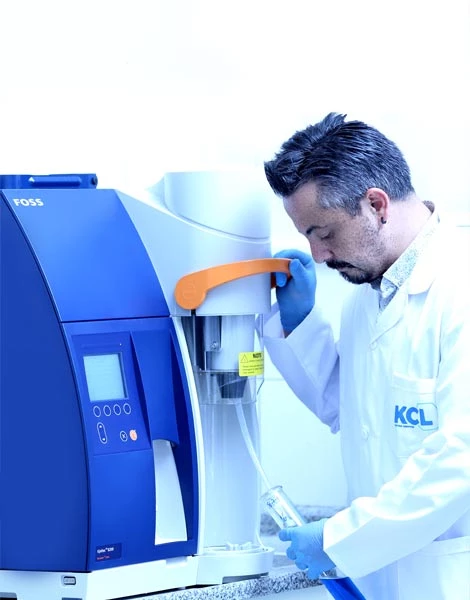
It is required that foods be free from microbial and chemical contamination, comply with safety requirements, as well as comply with national and international norms with packaging and labelling rules. After analysing the nutritional parameters of the foodstuffs, the conversion factors and the energy values, the amount in 100 ml (g) or 1 serving / portion are calculated as kcal or joule. Taking into account the nutritional reference values, the percentages of meeting the daily intake are calculated and a sample label form is prepared.
Essential Nutrients;
Protein
Oil
- Saturated fatty acids
- Unsaturated fatty acids (Mono and Poly)
- Trans fatty acids
- Omega fatty acids
Carbohydrates
- Sugar
- Dietary Fibre
- Polyols
Salt (as Na)
Vitamins
Minerals
Frequently Asked Questions
-
What is Food Chemistry Analysis?
Food chemistry analysis determines the amount and quality of proteins, fats, carbohydrates, vitamins, minerals, and other nutrients in foods. It assesses nutritional value and compliance with quality standards.
-
Why is Nutrient Analysis Important?
It ensures the accuracy of product labels, protects consumer health, and guarantees compliance with food standards. It is also critical for export and regulatory conformity.
-
Which Foods Are Tested?
All processed and fresh foods, including milk, meat, bakery products, beverages, fruits, and vegetables, are analyzed. Methods vary according to product type and composition.
-
What is Protein Analysis?
Protein analysis measures total protein content using Kjeldahl or Dumas methods. It ensures nutritional value and label accuracy.
-
Why is Fat Analysis Important?
Fat analysis measures total, saturated, and trans fat content. It determines nutritional value, product quality, and compliance with health regulations.
-
What Does Carbohydrate Analysis Include?
It measures total sugar, fiber, and starch, ensuring accurate labeling and supporting consumer health.
-
Why Are Vitamin & Mineral Tests Conducted?
These tests verify nutrient content, ensuring vitamins and minerals like vitamin C, iron, and calcium are within recommended levels, essential for export and compliance.
-
What is Moisture Analysis?
Moisture analysis determines water content, important for shelf life, microbial growth, and quality control, especially in bakery and dairy products.
-
What is Energy & Calorie Analysis?
Energy analysis calculates caloric value based on protein, fat, and carbohydrate content, important for nutrition labeling.
-
Which Standards Govern Food Chemistry Testing?
Analyses follow ISO 17025, Codex Alimentarius, and national regulations to ensure safety, quality, and international acceptance.
-
How Long Does Food Chemistry Analysis Take?
Simple nutrient tests take 2–3 days, while comprehensive vitamin and mineral analyses may take 1–2 weeks.
-
How Are Prices Determined?
Costs depend on test type, sample number, and standard requirements. Vitamin, mineral, and macronutrient tests can be costly but are vital for safety and labeling accuracy.
-
Is Food Chemistry Analysis Mandatory for Imports?
Yes, imported foods must be tested for nutrient and chemical content. Laboratory reports may be required for customs.
-
How Is Food Chemistry Laboratory Testing Performed?
It includes sample preparation, extraction, analysis, and reporting. Modern methods provide precise and reliable results. Tests may be quantitative or qualitative.
-
How Are Results Interpreted?
Reports show protein, fat, carbohydrate, vitamin, and mineral levels. Expert interpretation ensures nutritional value, quality, and regulatory compliance.
Get in touch now
Contact our expert team for your R&D studies and testing needs, let's bring your projects to life together.