
Food Microbiological Analyses
Kazlıçeşme Laboratories carries out microbiology analyses in accordance with and accredited to ISO TS EN 17025 standard, with expert staff and state-of-the-art methods in foods.
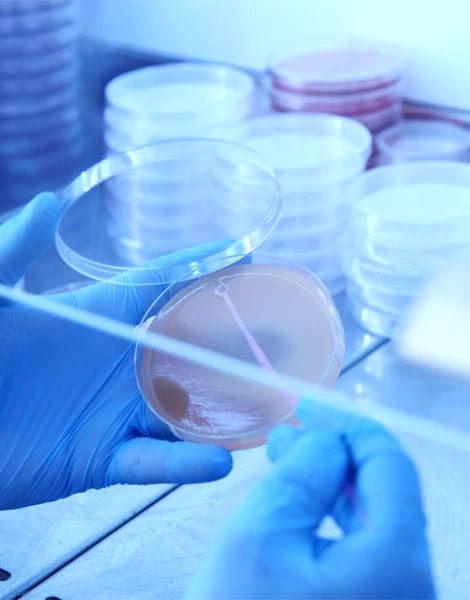
Compliance of food samples with food safety legislation is determined by studies carried out with up-to-date international and nationally valid methods, and reported by protecting customer and brand information. Food pathogens, which can be observed in our country as well as all over the world and can cause significant health problems, can be examined with fast and reliable methods.
Service is provided with a solution-oriented approach that provides information to the manufacturer about the detection of microbiological nonconformities that may arise from process processes or the supply chain.
Frequently Asked Questions
-
What is Food Microbiological Analysis?
Food microbiological analysis involves laboratory testing to detect bacteria, fungi, and other microorganisms in food and beverages. It ensures food safety, protects consumer health, and verifies compliance with legal standards.
-
Why Are Microbiological Tests Important?
These tests indicate whether foods are safe from pathogenic bacteria and mold contamination. Detection of harmful microorganisms such as Salmonella, E. coli, and Listeria is critical for public health and export compliance.
-
Which Food Products Require Microbiological Analysis?
Microbiological tests are mandatory for milk and dairy products, meat and meat products, honey, ready-to-eat foods, fruits, and vegetables. Both processed and fresh foods are analyzed using different methods.
-
What is a Salmonella Test?
A Salmonella test detects the presence of Salmonella bacteria in food. These bacteria can cause serious foodborne illnesses. This test is critical for meat, eggs, and dairy products.
-
Why is E. coli Testing Important?
E. coli tests detect contaminated foods. Some strains of E. coli can cause severe foodborne illness. Testing ensures production safety and protects consumer health.
-
What Do Mold and Yeast Tests Cover?
Mold and yeast tests assess the risk of microbial spoilage in foods such as baked goods, cheese, beverages, and dried products. These tests are important for shelf-life and safety assurance.
-
Which Standards Are Used in Microbiological Analysis?
Analyses are performed according to ISO 17025, ISO 21528, ISO 6579, and Codex Alimentarius standards. Compliance ensures food safety and suitability for international markets.
-
What is a Listeria Test?
Listeria testing detects Listeria monocytogenes in foods, especially dairy, ready-to-eat, and frozen products. It is necessary for consumer safety and legal compliance.
-
How Long Do Microbiological Tests Take?
Test duration depends on scope and sample number. Simple tests take 2–3 days, while comprehensive pathogen or total microbial tests may take 1–2 weeks. Laboratory workload affects timing
-
How Are Microbiological Test Prices Determined?
Prices depend on test type, sample number, and standard requirements. Microbiological tests are generally costly, but accurate testing ensures food safety and reduces legal risks.
-
Are Microbiological Tests Mandatory for Imported Food?
Imported food products must be tested for microbiological compliance. Customs and import procedures may request laboratory reports. Accredited testing is critical for importers.
-
Which Samples Are Collected for Microbiological Analysis?
Samples are taken from milk, meat, vegetables, fruits, beverages, and processed foods. Sample type and quantity depend on the test purpose and standard, ensuring accurate results.
-
How is Laboratory Microbiological Analysis Conducted?
Laboratory testing includes sample preparation, inoculation, incubation, and result evaluation. Modern methods provide fast and accurate quantitative or qualitative results.
-
Why Are Microbiological Tests Important for Human Health?
They prevent foodborne illnesses and protect consumer health. Detection of pathogenic bacteria is critical for public health and product safety.
-
What is an Accredited Food Microbiology Laboratory?
An accredited laboratory is authorized to perform tests according to ISO/IEC 17025 standards. Reports are officially valid and accepted in CE, export, or regulatory inspection processes.
Get in touch now
Contact our expert team for your R&D studies and testing needs, let's bring your projects to life together.