
Heavy Metal & Mineral Analyses
Metals are elements that are naturally found in nature and can reach people with foods consumed even in trace amounts. Metals are mostly transferred from the environment to the developing product in the field, to the milk and meat of animals fed with this product, and from the aquatic and marine environments to aquaculture.
What is Metal?
Metals are elements that are naturally found in nature and can reach people with foods consumed even in trace amounts. Metals are mostly transferred from the environment to the developing product in the field, to the milk and meat of animals fed with this product, and from the aquatic and marine environments to aquaculture. Apart from this, it is also possible to contaminate the raw material from the environment and the product being processed during the production phase. In addition, heavy metals can be found in many industrial wastes and in groundwater contaminated by wastes, soil and air. For these reasons, metals have a special importance among other chemical pollutants, since they can easily enter the food chain and accumulate in living things in increasing concentrations.
Why should heavy metal and mineral analysis be done?
The metal level of the food has an important place in food safety and determining the nutritional values. Exceeding certain doses of certain minerals, in particular, poses a serious threat to human health.
If the effects of heavy metals in human metabolism and the stages in which they are active are briefly discussed in terms of main systems, these can be classified as;
- Those that affect chemical reactions,
- Those affecting the physiological and transport systems,
- Those that affect the building blocks of carcinogens and hereditary,
- Those acting as allergens,
- Specific influencers.
Although only 1-1.5% of the gases in the air are volatile heavy metals, the accumulation of these substances causes many discomforts today. These Substances can cause irreversible damage to our vital organs such as liver, brain, bone marrow and kidney. Especially with the revealing of the effects of heavy metals on human health, metals such as lead, cadmium, chromium, tin, arsenic and mercury, and metals such as iron, copper, zinc, magnesium, manganese, potassium, sodium, which may pose a health hazard when a certain dose is exceeded, the levels in foods were determined and legal restrictions were established. These limits are based on national and internationally accepted publications, and maximum limits that will not harm human health in consumption have been determined by the ministry. Heavy metal and mineral analyses should be made in foods and feeds in line with these limits.
Our Mineral Analysis Services
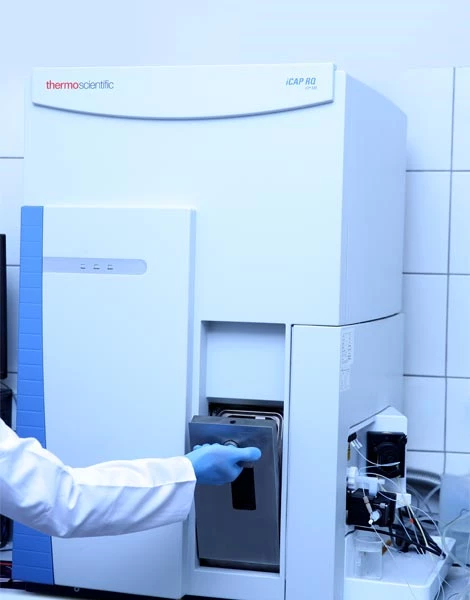
Food, food additives and feed, feed additive analyses of metals and heavy metals that may affect consumer health in terms of food quality and safety is carried out with ICP-MS, AAS-F (Flame), AAS-G (Graphite) and AAS-H (Hydride) devices in our mineral laboratory.
In our mineral laboratory, analyses are made for lead, cadmium, mercury, iron, chromium, copper, sodium, nickel, tin, zinc, aluminium, calcium, selenium, antimony, arsenic, potassium, manganese and magnesium elements in foods and feeds.
Frequently Asked Questions
-
What is Heavy Metal Analysis?
Determines levels of harmful metals like lead, cadmium, mercury, and arsenic in food, water, and industrial products. Ensures products are safe and within legal limits.
-
What is Mineral Analysis?
Measures essential minerals such as calcium, iron, magnesium, and zinc in foods, assessing both quantity and bioavailability.
-
Why Are Heavy Metal Tests Important?
Excessive exposure can harm health. Tests ensure products are safe for humans and comply with legal limits.
-
Which Products Require Heavy Metal Testing?
Water, milk, meat, fish, grains, fruits, vegetables, processed foods, and sometimes cosmetic or pharmaceutical raw materials.
-
Which Minerals Are Measured?
Typically calcium, magnesium, iron, zinc, copper, selenium, and sometimes trace minerals.
-
Which Methods Are Used for Heavy Metal Analysis?
ICP-MS, AAS (Atomic Absorption Spectroscopy), and ICP-OES. These modern methods provide accurate and reliable results.
-
How is Mineral Analysis Performed?
Samples are prepared considering solubility and bioavailability. Mineral content is measured using ICP-OES, AAS, or spectrophotometry.
-
Why Is Heavy Metal Testing Important for Health?
High levels can damage kidneys, liver, and nervous system. Testing ensures safe consumption and protects consumers
-
Is Heavy Metal Testing Mandatory for Imported Products?
Yes, required for regulatory compliance and customs. Accredited lab reports are officially recognized.
-
How is Heavy Metal Analysis Conducted in the Lab?
Involves sample preparation, mineral dissolution, measurement, and reporting. Modern instruments detect even trace metals.
-
How Are Results Interpreted?
Reports compare measured metal/mineral levels with legal limits. Expert review confirms safety, nutritional value, and compliance.
-
How Long Do Tests Take?
Simple heavy metal tests: 3–5 days; comprehensive mineral and metal tests: 1–2 weeks. Duration depends on sample type and method.
-
Are Heavy Metal Tests Important for Food Certification?
Yes, required for certified, safe products, organic certification, CE marking, or export approval.
-
How Do Mineral & Heavy Metal Tests Affect Product Quality?
Mineral content shows nutritional value; heavy metal detection ensures safety. Both are crucial for quality and consumer trust.
-
Advantages of Using Accredited Labs
Follow ISO/IEC 17025 standards, provide officially valid reports, and are accepted for exports, CE, or regulatory inspections.
Get in touch now
Contact our expert team for your R&D studies and testing needs, let's bring your projects to life together.