
Toxin Analyses
Mycotoxins are toxic substances formed by moulds in foods and feeds due to various factors. Physical (temperature, humidity, etc.), biological, environmental and chemical factors are effective in the formation of these moulds. Mycotoxins are produced by many moulds, especially Aspergillus, Penicillium and Fusarium. It is usually seen as it grows on food and changes the appearance of the food. In the most general sense, it is a green-coloured thread. It changes not only the appearance but also the taste and smell of the food.
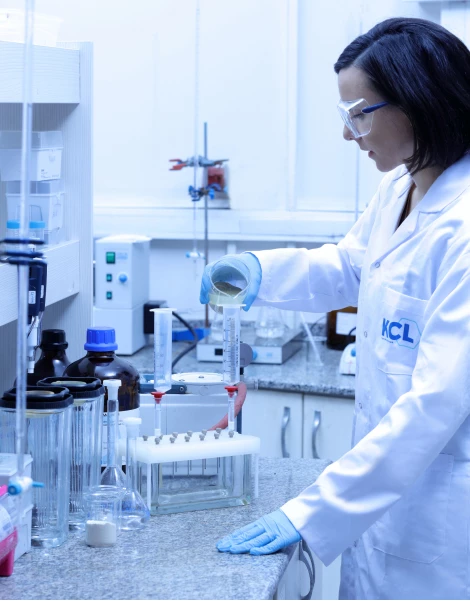
This situation has negative effects on human health. In foods such as Almond, Feed, Barley, Corn, Soybean, Hazelnut, Oats, Wheat, Peanut, Cotton, Pistachio, Rice, Sesame, Spices, Sunflower, Walnuts, Tobacco and Dried Fruits, mycotoxins can occur with mould formation. The main mycotoxin metabolites are:
- Aflatoxin B1, B2, G1, G2 and Total Aflatoxin
- Aflatoxin M1
- Ochratoxin A
- Zearalenone
- Deoxynivalenol (Vomitoxin)
- Patulin
- Fumonisin
Considering its compliance with the criteria of the Turkish Food Codex Contaminants Regulation, it is allowed to be present in foods and feeds only within certain limits.
Frequently Asked Questions
-
What is Toxin Analysis?
Toxin analysis is a laboratory testing process that detects harmful biological or chemical toxins in food, water, pharmaceuticals, and environmental samples. Its purpose is to protect human health and verify product safety. These analyses are critical for both manufacturers and importers.
-
Why Are Toxin Tests Performed?
Toxin tests identify potential health risks, ensure quality control, and guarantee compliance with legal regulations. They are especially essential in the food and beverage sector to ensure consumer safety.
-
Which Products Require Toxin Analysis?
Toxin analysis is applied to food, water, dairy products, beverages, pharmaceuticals, and environmental samples. Mycotoxin tests are also conducted for mushrooms, honey, and shellfish. The scope of the analysis varies depending on the product type.
-
What is a Mycotoxin Test?
A mycotoxin test detects harmful toxins produced by molds in food and agricultural products. It is critical for toxins such as aflatoxin, ochratoxin, and fumonisin. This test ensures human health protection and compliance with export standards.
-
Why Are Bacterial Toxin Tests Important?
Bacterial toxin tests detect toxins produced by bacteria such as Staphylococcus aureus and E. coli. These tests are critical for food safety and protecting consumer health.
-
Which Standards Are Used for Toxin Analysis?
Toxin analyses are conducted according to ISO, AOAC, Codex Alimentarius, and relevant national standards. Compliance ensures product safety, quality, and suitability for international markets.
-
How Are Food Toxins Tested?
Food toxin tests are performed using laboratory methods such as HPLC, ELISA, and LC-MS/MS. These methods enable precise and accurate detection of mycotoxins and bacterial toxins.
-
What is Toxin Analysis in Water and Beverages?
Toxin analysis in water and beverages involves detecting chemical and biological toxins. Heavy metals, microbial toxins, and industrial contaminants are measured. These tests are essential for drinking water and beverage safety.
-
How Long Do Toxin Tests Take?
The duration depends on test scope and sample quantity. Simple chemical toxin tests may take a few days, while comprehensive microbiological and multi-toxin analyses can take 1–2 weeks. Laboratory workload also affects timing.
-
How Are Toxin Analysis Prices Determined?
Prices depend on the type of test, number of samples, and standards applied. Mycotoxin and bacterial toxin tests are generally costly. However, accurate analysis reduces potential legal risks and product recall costs.
-
Are Toxin Tests Mandatory for Imported Products?
Toxin tests are required for imported food, beverages, and environmental products. Customs and import procedures may request laboratory reports, making accredited analyses essential for importers.
-
Which Samples Are Taken for Toxin Tests?
Samples are collected from food, beverages, water, and environmental products. The quantity and type of sample depend on the testing standard and purpose. Proper sample selection increases the accuracy of results.
-
How Is Laboratory Toxin Analysis Conducted?
Laboratory toxin analysis involves sample preparation, extraction, measurement, and result reporting. Modern methods provide precise, fast, and reliable results.
-
Why Are Toxin Tests Important for Human Health?
Toxin tests help prevent poisoning and long-term health risks. Detecting toxins in food and beverages ensures consumer safety and legal compliance.
-
What is an Accredited Toxin Laboratory?
An accredited toxin laboratory is authorized to perform tests according to ISO/IEC 17025 standards. Reports issued by such laboratories are officially valid and accepted in CE, export, or regulatory inspection processes.
Get in touch now
Contact our expert team for your R&D studies and testing needs, let's bring your projects to life together.