
Accessory Analyses
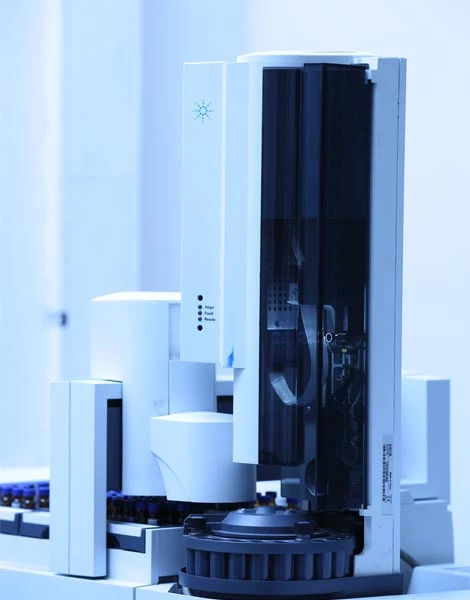
The European reference test method has been modified to verify that nickel dispersion in products in long-term and direct contact with the skin complies with the restrictions in Annex XVII to REACH. The covered products are products that can cause sensitization, nickel allergy and even nickel dermatitis in severe cases, such as metal accessories that are pierced through the ear and body, other jewellery, watches, zippers, clothing accessories and sunglasses. In our laboratory, harmful components can be detected at very sensitive levels with our ICP-MS device with integrated Ion Chromatography.
Accessory Analyses Deney Tablosu
Accessory - Heavy Metal Determination of Metal Samples by Heater or Microwave Method Lead (Pb)
CPSC-CH-E1001.08.3
5 gr
Accessory - Determination of Total Lead (Pb) in Metal Child Products
CPSC-CH-E1001.08
5 gr
Accessory - Analysis of Total Lead (Pb) in Non-Metal Children's Products
CPSC-CH-E1002.08
5 gr
Accessory - Determination of Nickel Release from Products that Can Come into Direct and Prolonged Skin Contact (using ICP-MS)
BS EN 1811
5 cm²
Accessory - Determination of Extractable Cadmium
CPSC-CH-E1004-11
5 gr
Determination of Lead (Pb) released into artificial saliva solution (using ICP-MS)
EN 16711-3 BS EN 16711-3 TS EN 16711-3
5 gr
Frequently Asked Questions
-
What is Accessory Analysis?
Accessory analysis involves testing the physical and chemical properties of jewelry, belts, bag accessories, and metal or plastic parts in a laboratory. These analyses determine product safety and quality compliance, especially for items in contact with skin.
-
Why Are Accessory Tests Conducted?
Accessory tests detect harmful substances and measure product durability. They protect consumer health, enhance brand reliability, and ensure regulatory compliance. Test reports are also essential for export processes.
-
Which Tests Are Conducted on Accessory Products?
Accessory tests include heavy metal analysis, nickel release testing, phthalate testing, and mechanical durability tests. Coating thickness and corrosion resistance tests may also be applied. Test scope depends on material and use.
-
What is Nickel Release Testing?
Nickel release testing measures the amount of nickel released when metal accessories contact skin. It is important for earrings, necklaces, and bracelets to reduce allergy risk and ensure regulatory compliance.
-
Why is Heavy Metal Testing Important for Accessories?
Heavy metal testing verifies limits for lead, cadmium, and mercury. It may be mandatory for children’s accessories. Results confirm consumer safety standards.
-
According to Which Standards Are Accessory Analyses Performed?
Accessory analyses follow national and international safety standards, considering EU regulations and chemical safety requirements. Compliance ensures smooth market sales.
-
What is Durability Testing for Accessories?
Durability testing measures resistance to breaking, bending, or wear. It is applied to belt buckles, bag straps, and metal connectors to assess long-term performance.
-
How is Coating Thickness Tested?
Coating thickness testing measures the thickness of metal coatings. Specialized instruments determine corrosion resistance and aesthetic durability.
-
Is Phthalate Testing Required for Accessories?
Phthalate testing is important for plastic or synthetic leather accessories. It reduces potential health risks, especially in children’s products.
-
How Long Does Accessory Analysis Take?
Duration depends on the tests performed. Simple chemical analyses take a few days, while comprehensive testing may take longer. Sample quantity and lab workload also affect timing.
-
How Are Accessory Analysis Prices Determined?
Prices vary by test type, sample quantity, and applicable standards. Chemical and heavy metal testing is generally costlier. Proper analysis prevents legal risks and product recalls.
-
Are Tests Mandatory for Imported Accessories?
Imported accessories must comply with safety and quality standards. Customs may require test reports, making laboratory analyses important for importers.
-
How Does Accessory Quality Control Work?
Quality control begins with raw material inspection and ends with final product testing. Laboratory analyses confirm compliance with standards, ensuring safe and high-quality products.
-
Which Tests Are Done on Children’s Accessories?
Children’s accessories undergo heavy metal testing, small parts testing, and chemical content analysis to prevent choking hazards and toxic exposure.
-
What is an Accredited Accessory Laboratory?
An accredited accessory laboratory is authorized to perform tests according to international standards. Reports are officially valid and accepted, providing an advantage for exporting companies.
Get in touch now
Contact our expert team for your R&D studies and testing needs, let's bring your projects to life together.