
Hygiene & Baby-care Products Analyses
BPA is the abbreviation of Bisphenol A, and today it plays an active role in the production of substances such as plastic, nylon, polyester and PVC. It is also used as a coating material in polycarbonate plastics, inside food packages such as cans and juice boxes. The plastic used is recycled plastic. BPA passes into the food it comes into contact with, and this work of penetration increases with temperature. One of the most dangerous uses of BPA is in feeding bottles and training cups. If you warm your baby's milk in a bottle, this Substance easily passes into the milk. BPA is mostly found in water bottles, storage containers, demijohns and glasses in our daily lives.
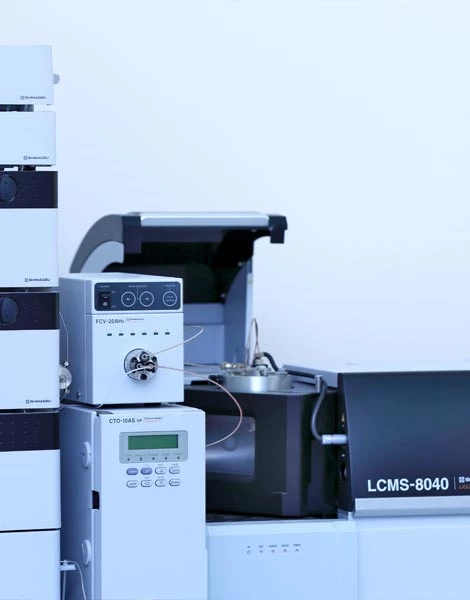
According to the regulation on the Registration, Evaluation, Authorization and Restriction of Chemicals (KKDIK) prepared by the Ministry of Environment and Urbanization, which harmonizes REACH, all product groups that will be put up for sale or on sale within the framework of the inspections to be made, with the applications to be made for the domestic market must meet the restriction conditions specified in Annex 17. At this stage, our laboratory contains Bisphenol A, Nitrosamines, Phthalates, etc., which should not be present or limited in this type of products. Detection of harmful chemical compounds can be done as accredited with our latest Technological Instrumental devices. At this stage, our laboratory is able to detect Bisphenol A, Nitrosamines, Phthalates and similar harmful chemical compounds, which should not be present or limited in such products, with our state-of-the-art technology devices.
Hygiene & Baby-care Products Analyses Deney Tablosu
Hygienic products - Baby-care Products - Quantification of Phthalates (using GC-MS)
CPSC-CH-C1001-09.4
0,5 gr
Hygienic products - Baby-care Products - Determination of Bisphenol A (using LC-MS-MS)
EN 1400+A2 Article 10.6 TS EN 1400+A2 In-house Method --AY-EKL-104 (BS EN 71-10 Art. 6.4 (pre-treatment) BS EN 71-11 Art. 5.5.2 (analysis) based)
4 gr
Hygienic products - Baby-care Products - Child Use and Care Articles - Elastomer or Rubber Pacifiers and Teat Caps Toy Safety, Part 12: N-Nitrosamine and N-Nitrosatable Substances (using LC-MS-MS)
TS EN 71-12, EN 12868 TS EN 12868
10 gr
Hygienic products - Baby-care Products - Determination of Extractable Cadmium
CPSC-CH-E1004-11
5 gr
Hygienic products - Baby-care Products - Determination of Nickel Release from Products that Can Come into Direct and Prolonged Skin Contact (using ICP- MS)
BS EN 1811
5 cm²
Cord and Drawstrings Used in Children's Clothing
TS EN 14682
2 pieces
Frequently Asked Questions
-
What is Hygienic Baby Care Product Analysis?
This analysis covers chemical, mechanical, and hygiene testing of baby bottles, pacifiers, teething toys, shampoo containers, and baby care kits. It ensures products are safe for children and meet quality standards.
-
Why Are Baby Care Products Tested?
Tests verify that products are free from toxic substances and safe to use. Chemical, durability, and hygiene checks protect child health. Test reports are also required for CE and legal compliance.
-
Which Baby Products Are Tested?
Bottles, pacifiers, teething toys, combs, diaper kits, and hygiene sets are tested. Tests cover chemical, microbiological, and mechanical safety. Testing varies depending on the product type.
-
What Do Chemical Tests for Baby Products Include?
Chemical tests check for BPA, phthalates, heavy metals, and other toxic substances. These analyses are critical for products that come into oral contact, such as bottles and pacifiers, to protect children’s health.
-
Why Are Mechanical Tests Conducted?
Mechanical tests measure the risk of breakage, detachment, and fragmentation. The goal is to minimize injury risks from product failure, especially from small parts.
-
Why Are Hygiene Tests Important?
Hygiene tests verify that products are microbiologically safe. They detect bacterial and fungal contamination and are mandatory for oral-contact items like pacifiers and teething toys.
-
Is CE Certification Required for Baby Products?
CE marking in Europe and some international markets demonstrates compliance with safety and hygiene standards. Laboratory testing and technical documentation are mandatory for CE marking.
-
Which Standards Are Used for Baby Care Product Analysis?
Analyses are generally performed according to EN 14350, EN 71, and ISO 8124 standards. These cover chemical, mechanical, and hygiene safety and ensure international market acceptance.
-
How Are Pacifier and Bottle Tests Conducted?
Pacifiers and bottles undergo BPA, phthalate, and heavy metal analyses, as well as thermal resistance, leakage, and hygiene tests. Laboratory testing confirms product safety and sterility.
-
How Long Does Hygienic Baby Product Analysis Take?
The duration depends on test scope and sample count. Chemical tests may take a few days, while comprehensive hygiene and mechanical tests can take 1–2 weeks. Lab capacity affects timing.
-
What Determines Baby Product Test Prices?
Prices depend on test type, sample count, and standards applied. Chemical and hygiene tests are costly, but proper testing prevents product recalls and legal risks.
-
Are Tests Mandatory for Imported Baby Products?
Imported baby care products require testing for safety, hygiene, and chemical compliance. Test reports may be requested at customs and are required for legal and safe sale.
-
Why Are Microbiological Tests Necessary?
These tests ensure products are free from bacteria, fungi, and other microorganisms. They are especially important for oral-contact items to meet hygiene standards.
-
How Does the Quality Control Process Work for Baby Products?
Quality control covers raw material inspection, production monitoring, and final product testing. Laboratory analyses ensure compliance with hygiene and safety standards.
Get in touch now
Contact our expert team for your R&D studies and testing needs, let's bring your projects to life together.